Mold in the car: is it dangerous? How to get rid of it
Finding mould in your car is never a pleasant experience. Whether it’s a musty smell when you open the door or visible patches forming on seats or carpets, it’s a clear sign that moisture has built up inside the vehicle.
This is a common issue in the UK, where humidity and frequent rain can easily create the conditions for mould to develop. However, it’s important not to ignore it. Mould is not just an aesthetic problem. it can affect both your health and the condition of your car over time.
In this guide, we’ll explain what mould in a car looks like, why it appears, where it typically develops and how to remove it effectively. We’ll also cover practical steps to prevent it from returning.
What is the mould in the car and how does it look?
Mould is a type of fungus that grows in environments where moisture, warmth and limited airflow are present. Car interiors can easily become such environments, especially if damp items are left inside or if the vehicle is not ventilated regularly.
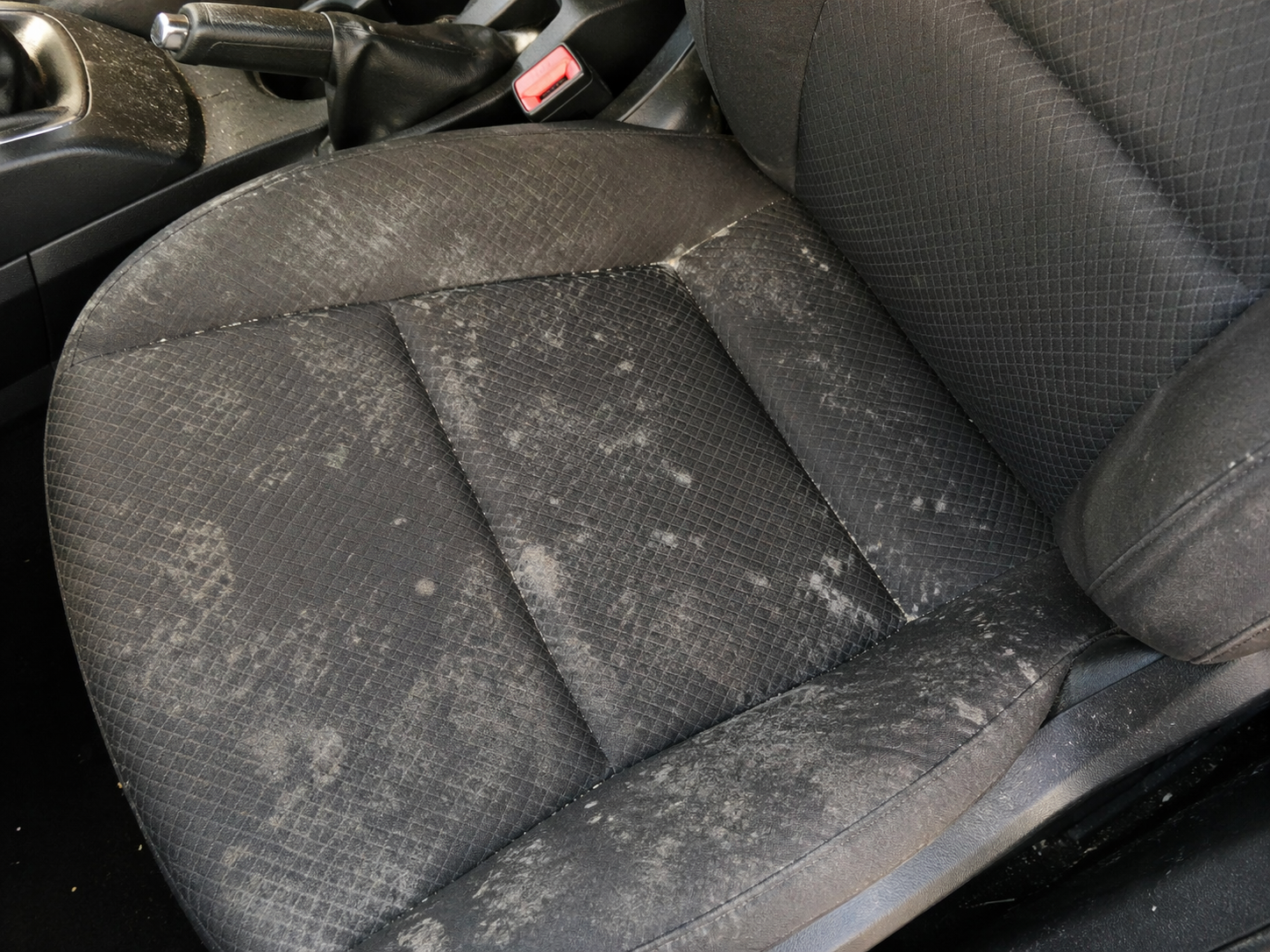
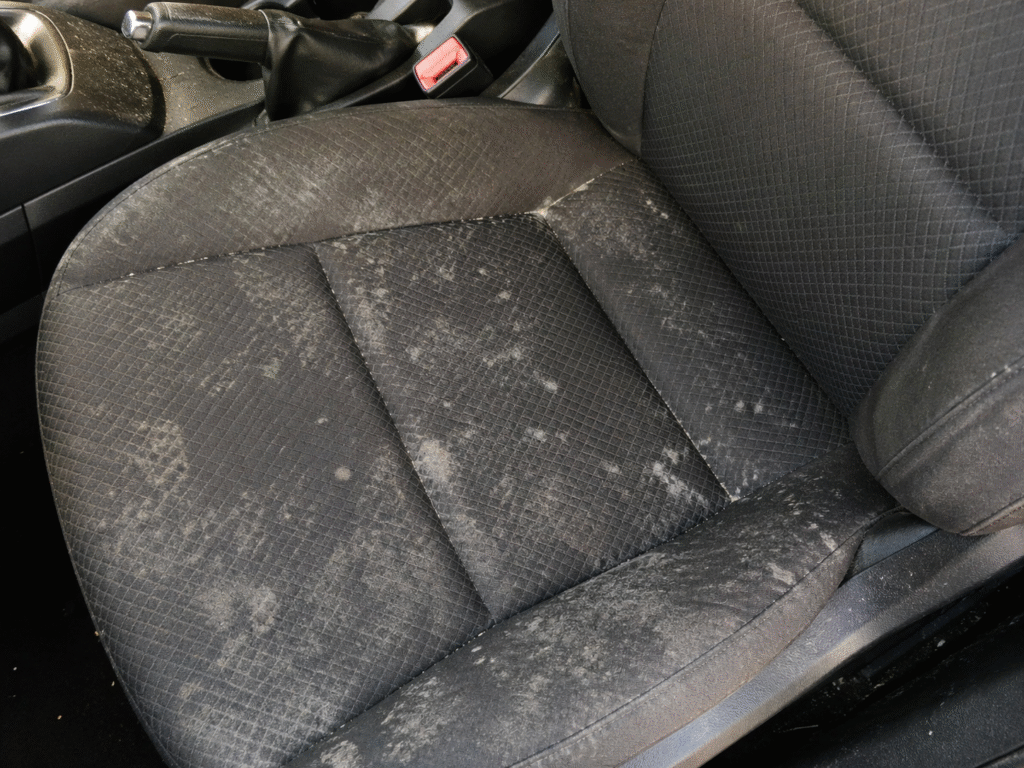
In many cases, mould starts subtly. You may notice small white or grey spots on surfaces, often mistaken for dust at first. Over time, these spots can spread and become more visible, sometimes turning darker or developing a slightly fuzzy texture. Alongside the visual signs, a persistent musty smell is often the first indicator that mould is present, even before it becomes clearly visible.
Recognising these early signs is important, as addressing the issue early makes removal much more straightforward.
Is the mould in the car dangerous?
Mould inside a car should be taken seriously. Because a vehicle is a confined space, any mould present can directly impact the air you breathe while driving.
Mould releases microscopic spores into the air. When inhaled over time, these can cause irritation and, in some cases, more noticeable symptoms such as coughing, sneezing or headaches. People with allergies, asthma or other respiratory conditions may be particularly sensitive to these effects.
In addition to the health aspect, mould can also damage the interior of your car. Fabrics, carpets and soft materials can deteriorate if mould is allowed to spread and the resulting odour can be difficult to remove completely. Left untreated, this may also affect the overall value of the vehicle.
Why is there mould in the car? Potential causes
Mould does not develop without a reason. In almost all cases, it is linked to moisture that has been trapped inside the car for a period of time. Identifying the source of that moisture is essential to solving the problem effectively.
Moisture from wet items
Leaving damp items such as umbrellas, coats or gym gear in the car is one of the most common causes. Even small amounts of moisture can accumulate over time, particularly if the vehicle remains closed for extended periods.
Leaks in doors, windows or sunroof
Water entering through worn seals or minor leaks can go unnoticed. This often results in hidden dampness beneath carpets or inside seat padding, where mould can develop without being immediately visible.
Spilled liquids or food
Spills that are not cleaned and dried properly can soak into fabrics and create ideal conditions for mould growth. Even a small amount of liquid can lead to long-term issues if it reaches deeper layers of the interior.
Condensation build-up
Condensation is another common factor, especially during colder months. Differences in temperature between the inside and outside of the car can cause moisture to form on surfaces, which may eventually lead to mould if not properly ventilated.
Poor ventilation
Cars that are left unused for long periods or kept closed without airflow tend to trap humidity. Over time, this creates the perfect environment for mould to grow.
Where does the mould appear the most in a car?
Mould tends to develop in areas where moisture can settle and remain for longer periods. While it can spread throughout the interior, certain areas are more vulnerable than others.
Mould on the car seats
Car seats are particularly prone to mould because they absorb moisture easily. Fabric seats, in particular, can retain dampness within their layers, especially if exposed to spills or wet items. Over time, this can lead to mould developing not only on the surface but also within the padding, making it more difficult to remove completely.
Mould on the car carpet
Car carpets are another common area where mould appears. Moisture can seep through the top layer and become trapped underneath, where it is harder to detect and dry. This creates a hidden environment where mould can grow and spread without being immediately visible.
Mould in the car boot
The boot is often overlooked during regular cleaning, yet it is highly susceptible to mould. Wet items stored in this area, combined with limited airflow, can lead to moisture build-up. In some cases, small leaks in the rear of the vehicle can further contribute to the problem.
Mould in the car roof lining
Mould on the roof lining is typically caused by condensation or minor leaks. Because the material is delicate, it absorbs moisture quickly but is more difficult to clean without causing damage. This makes it one of the more challenging areas to treat effectively.
How to get rid of the mould in a car: step-by-step
Removing mould from a car interior can range from a straightforward cleaning task to a more demanding process, depending on how far it has spread. While surface mould can sometimes be managed with basic methods, deeper contamination often requires more thorough treatment.
For more extensive cases, relying on a professional mobile car wash service can be the most efficient and reliable option. For example,
👉 Sapoo Mobile Interior Deep Clean
includes a comprehensive interior cleaning service where mould removal can be added during checkout. This ensures that all affected areas are treated properly, including those that are not immediately visible.
If you choose to carry out the process yourself, it’s important to follow a structured approach.
Step 1: vacuum thoroughly
Begin by vacuuming all affected areas carefully. This helps remove loose mould spores and prevents them from spreading further during the cleaning process. Pay attention to seams, edges and areas where dust tends to collect.
Step 2: apply cleaning solution
Apply a suitable cleaning solution such as white vinegar or a specialised anti-mould product. These solutions are effective in breaking down mould and neutralising odours. It is important to apply them evenly without oversaturating the material.
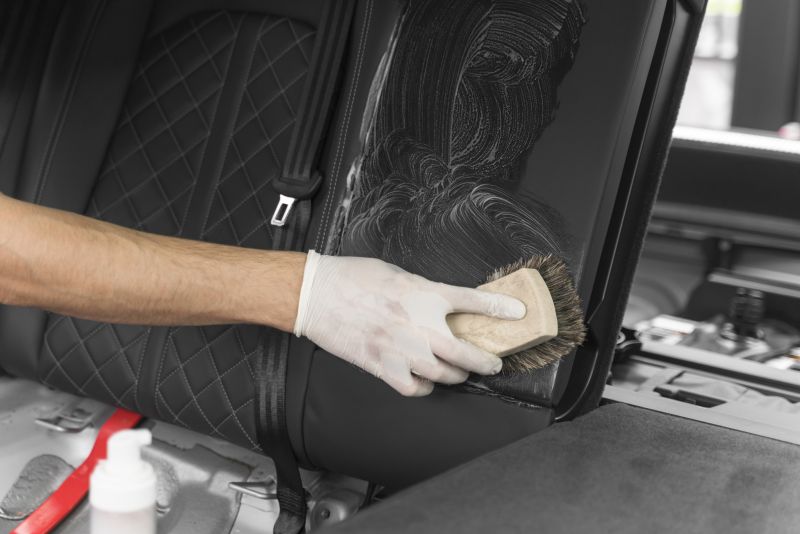
Step 3: scrub affected areas
Gently work the solution into the affected surfaces using a soft brush or cloth. The aim is to lift the mould without damaging the fabric or spreading it further.
Step 4: dry completely
Thorough drying is essential. Any remaining moisture can allow mould to return quickly. Leaving the car in a well-ventilated area, opening windows or using airflow can significantly help the drying process.
Step 5: clean air system
Mould spores can circulate through the vehicle’s ventilation system. Running the air conditioning and, if possible, using a dedicated cleaning treatment for the vents can help reduce the risk of recurrence.
How to stop mould in the car? Prevention best practice
Preventing mould is far more effective than dealing with it after it has developed. Maintaining a dry and well-ventilated interior is key to avoiding future issues:
- Keep the interior dry: Removing damp items promptly and ensuring that any spills are dried thoroughly can significantly reduce the risk of mould forming.
- Improve ventilation: allowing fresh air to circulate inside the car helps control humidity levels. Even occasional ventilation can make a noticeable difference.
- Check for Leaks: regularly inspecting seals, windows, and other potential entry points for water can help prevent moisture from building up unnoticed.
- Clean Regularly: routine interior cleaning not only keeps the car in good condition but also allows you to spot early signs of mould before they become more serious.
Conclusion
Mould in a car is a common issue, but it should not be underestimated. It can affect your health, damage your vehicle’s interior and become increasingly difficult to remove if left untreated.
By understanding the causes and recognising the early signs, you can take action before the problem escalates. Whether you choose to handle it yourself or rely on professional support, the key is to remove moisture, clean thoroughly and maintain proper ventilation.
Taking these steps will help keep your car interior clean, safe and in excellent condition over time.
FAQs about the mould in the car
Is mould in the car a serious issue?
Yes, it can affect air quality and lead to health concerns if not addressed, especially with prolonged exposure.
Would the mould in the car affect my drive?
While it doesn’t impact the mechanics of the vehicle, it can make the driving environment uncomfortable due to poor air quality and odours.
What’s the smell of the mould in the car?
Mould typically produces a musty, damp smell, which is often the first noticeable sign.
Could the mould in the car grow fast?
Yes, if moisture is present, mould can spread within a short period of time, sometimes in just a few days.
Can mould damage my car permanently?
If left untreated, mould can damage fabrics and interior materials, making them difficult to restore fully.
Is professional cleaning recommended for mould removal?
In many cases, yes. Professional cleaning ensures a deeper and more thorough treatment, especially when mould has spread beyond the surface.
Bibliography
- National Health Service | Mould and damp: health risks and advice
https://www.nhs.uk/conditions/damp-and-mould/ - World Health Organization | WHO Guidelines for Indoor Air Quality: Dampness and Mould
https://www.who.int/publications/i/item/9789289041683 - Centers for Disease Control and Prevention | Mold: Basic Facts and Health Effects
https://www.cdc.gov/mold/faqs.htm - Environmental Protection Agency | Mold Cleanup in Your Home
https://www.epa.gov/mold/mold-cleanup-your-home - Health and Safety Executive | Damp and mould in buildings
https://www.hse.gov.uk/mold/